Root-cause care

Hair Loss Issues

Hair loss is devastating, physically and emotionally. We get to the root cause and offer personalized treatments.

More than a temporary fix.

We evaluate your hair and scalp, identify your individual concerns, and build a personalized treatment plan. Our natural, holistic approach supports healthy hair growth, scalp rejuvenation, and overall wellness.

Free 15-Min Virtual Consultation

Explore your care options

  • Trichoscopy
  • Laser hood therapy
  • High-frequency electrical stimulation
  • Microneedling
  • Ionized oxygen infusion
  • Head spa care
Explore all services

Hair loss issues we address

Get ready for long-term healthy hair.

We begin with an initial evaluation, then develop a long-term plan that optimizes the scalp environment, boosts hair strand strength and resilience, and stimulates the follicular growth cycle. The plan also includes diet evaluation and supplements.

Hair loss is a complex problem with many contributing factors and a host of possible solutions. We will help you sort out the details and get you results.

  1. Assess

    Your medical history, laboratory work-up, and a meticulous videoscopic analysis of your hair and scalp pinpoint the underlying cause(s).

  2. Plan

    We explore all evidence-based treatments available and craft a personalized plan aimed at your desired results.

  3. Monitor

    As you move through treatment, we actively track your progress and adjust to determine the next steps for long-term success.

Types of hair loss

Conditions we treat.

Hair loss can impact both physical appearance and emotional well-being. Our approach goes beyond surface solutions to identify the root cause and tailor evidence-based care.

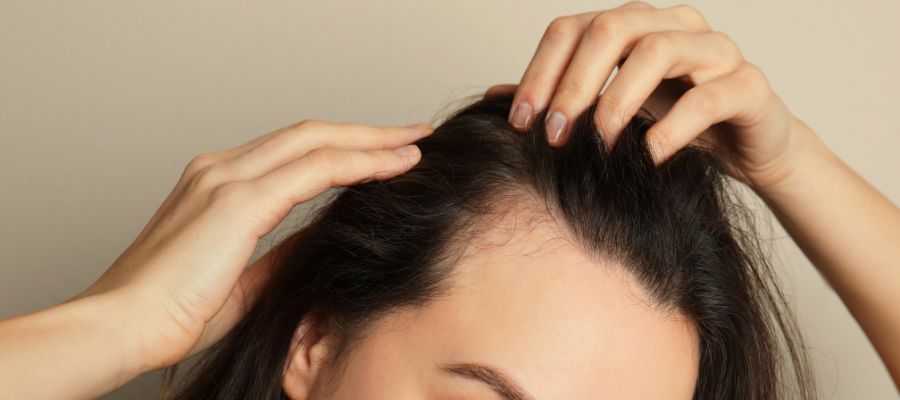
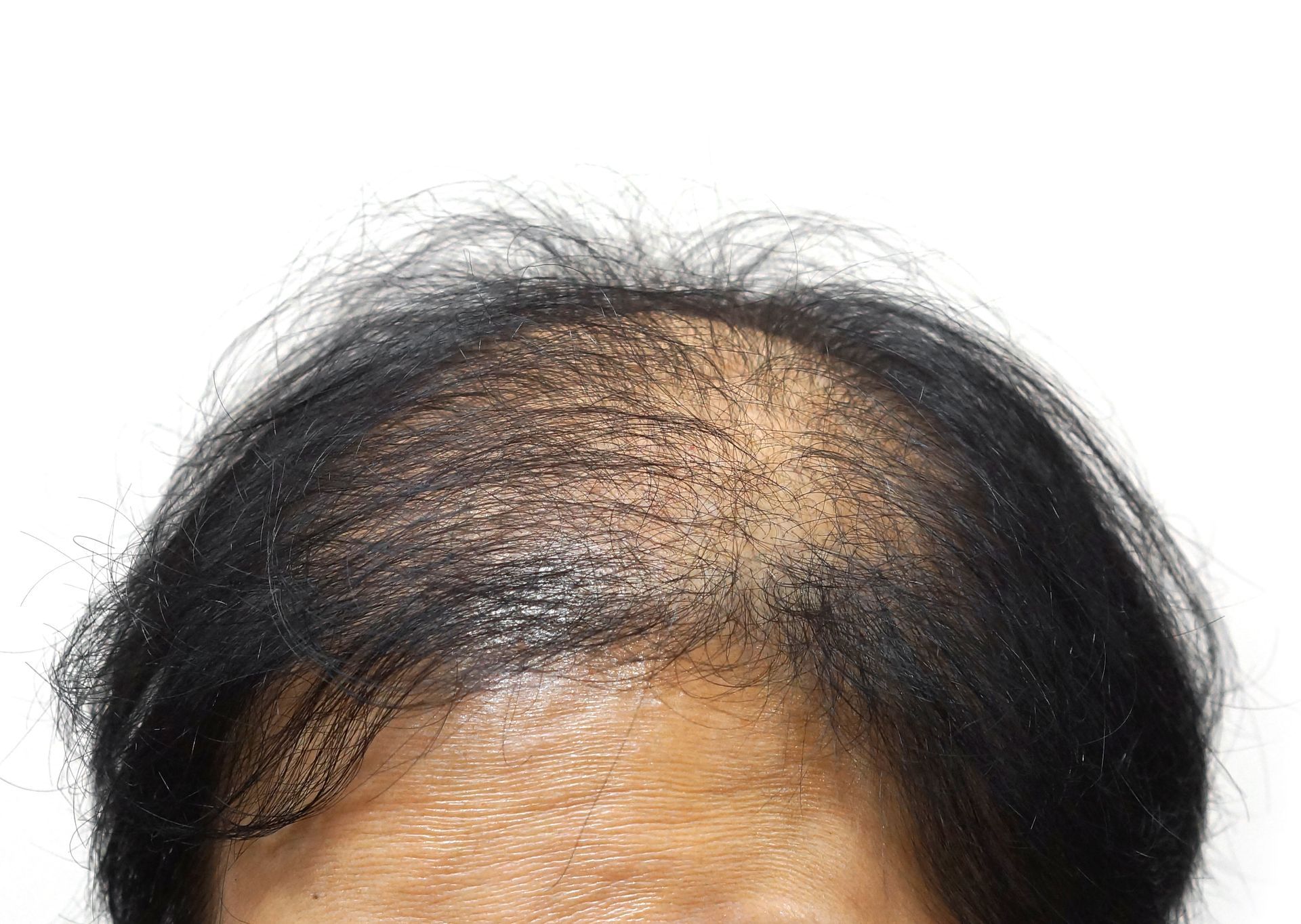
Close-up of thinning hair along the part

Androgenic Alopecia

Male and Female Patterned Baldness

Male and female pattern baldness are the most common types of hair loss worldwide. They happen due to a combination of genetics and natural hormone levels, which causes hair follicles to shrink over time. Hair becomes thinner, weaker, and eventually stops growing.

For men, this usually means a receding hairline and thinning at the crown, while women often notice overall thinning, especially at the top of the head. With early intervention and the right treatments, it is possible to slow things down—or even regrow hair with professional guidance.
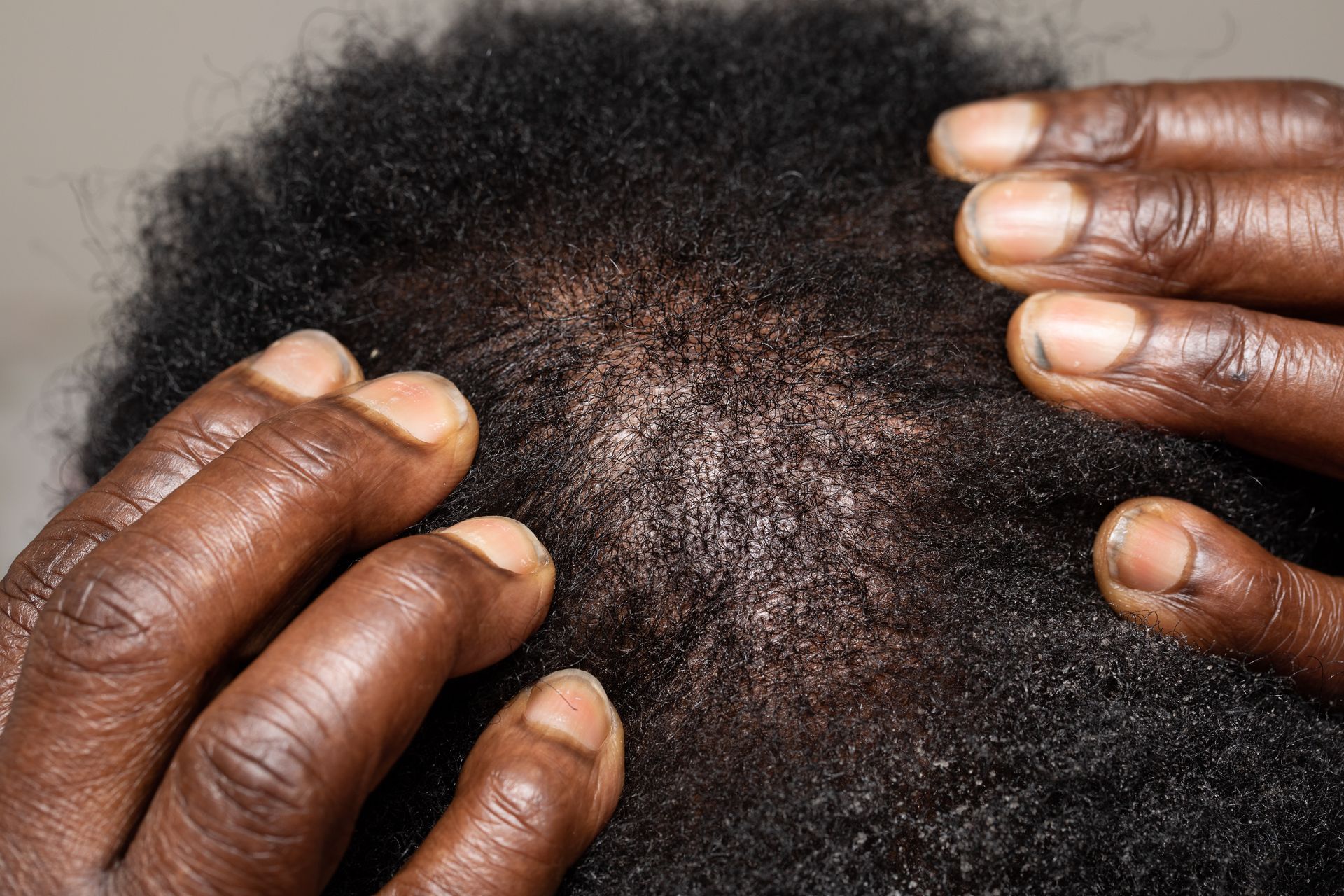
Woman with thinning hair

Alopecia Areata, Telogen/Anagen Effluvium

Hair Shedding

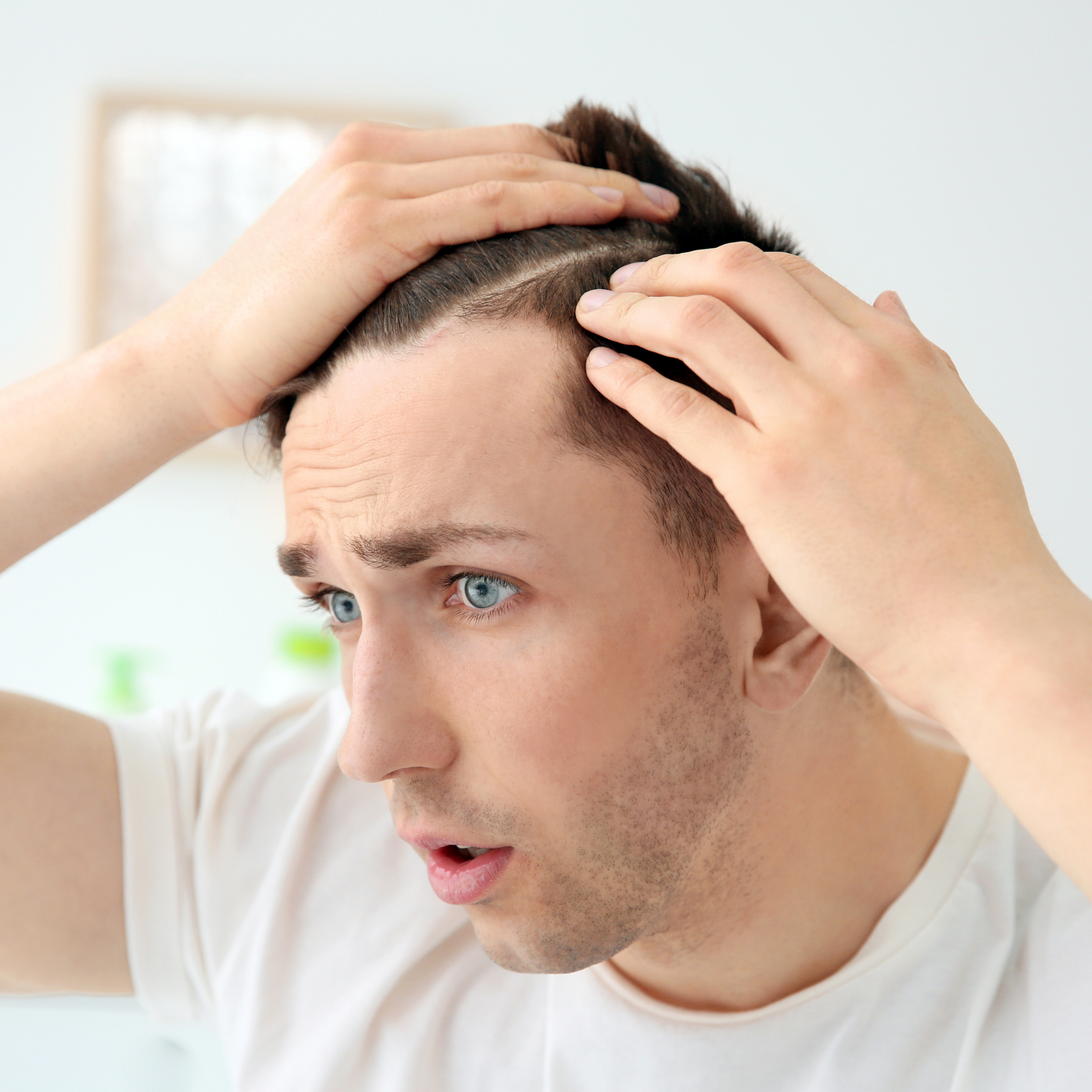
Hair shedding happens when more follicles than usual shift from the growth phase to the resting or shedding phase. Triggers include stress, hormonal changes, nutritional deficiencies, and certain health conditions.

Patterns vary—from small round patches to overall thinning, and in some cases hair across the entire body. The keys are early intervention, identifying the root cause, and a holistic approach to care.

Man holding his head and looking at his hair

Scarring Alopecia

Hair Loss From Scarring

Scarring alopecia refers to a group of conditions where follicles are damaged, usually because the body's own immune system mistakenly attacks them. Damage may appear on the crown, along the frontal hairline, or in patches.

Because these conditions are progressive and can lead to permanent hair loss if untreated, early recognition and treatment are key to preserving hair and preventing further damage.

Woman styling her hair in the mirror

Traction Alopecia

Tension / Traction-Related Hair Loss

Traction alopecia is caused by repeated pulling or tension—tight braids, ponytails, weaves, or extensions, and snug headbands, wraps, or hats that create constant friction.

Over time the strain weakens follicles, leading to inflammation, thinning, and bald patches, especially around the delicate hairline. If pulling continues too long it can become permanent—but it is often reversible if caught early.

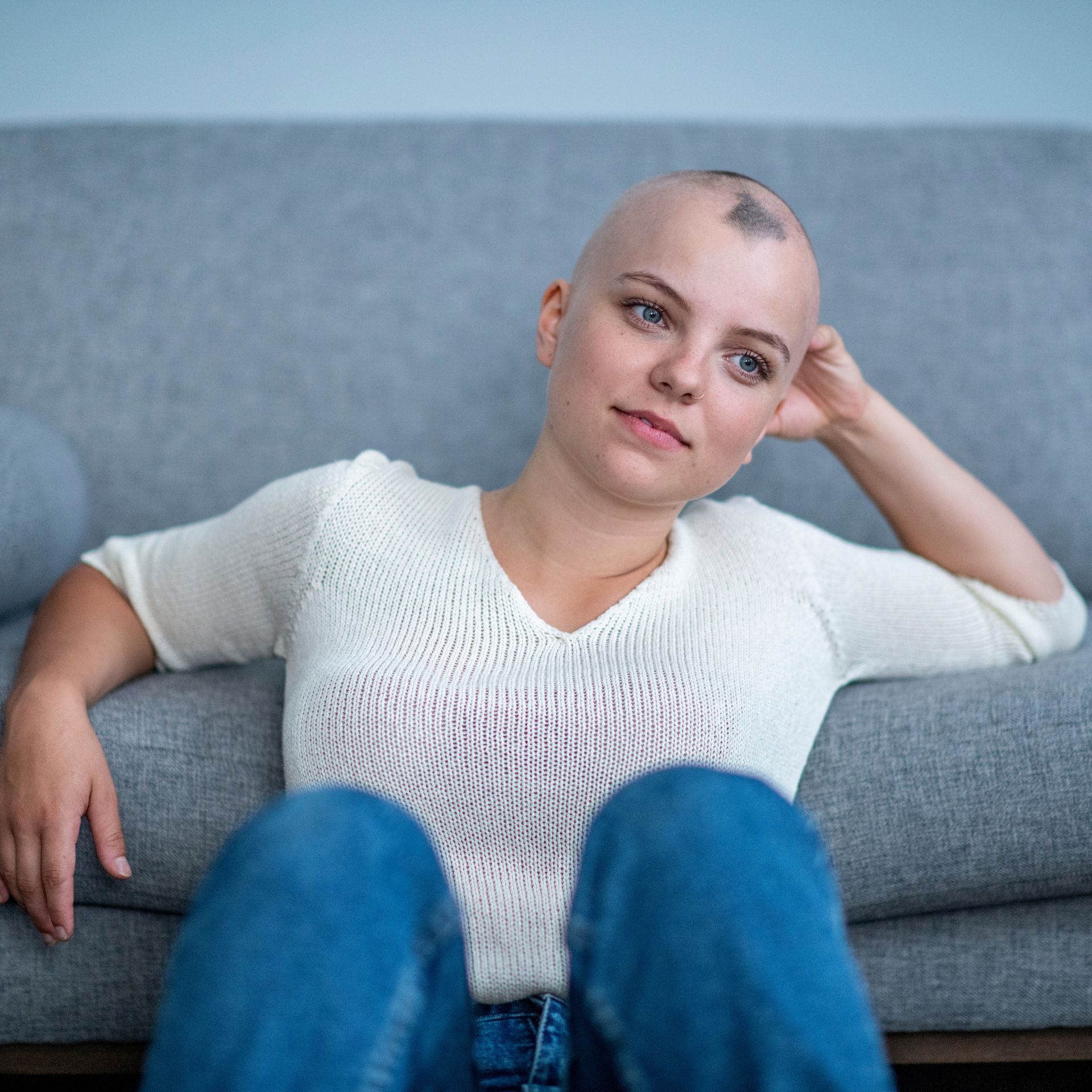
Woman with a shaved head during hair loss

Anagen Effluvium

Hair Loss Due to Chemotherapy

Chemotherapy targets rapidly dividing cells, including the fast-growing cells in hair follicles, so hair may thin or fall out in clumps a few weeks after treatment begins. Some people lose all their hair; others notice mild shedding.

Hair usually regrows a few months after treatment ends, sometimes with a temporary change in texture or color. There are many care options, and support can begin even before your chemotherapy journey starts.

Woman touching her hair with her hands

Postpartum Alopecia

Postpartum Hair Loss

During pregnancy, hormonal changes often make hair thicker as more strands stay in the growth phase. After birth, hormone levels drop and trigger postpartum shedding, which typically peaks a few months after delivery.

Hair usually returns to its normal growth cycle within a year. Meanwhile, a holistic hair restoration plan can safely help support healthy regrowth.

Enhancement & maintenance program

Four pillars of healthy hair.

01

Length

The hair growth cycle consists of three phases: anagen (growth), catagen (resting), and telogen (shedding). For longer and stronger hair strands, the cells involved in these phases must be nurtured and encouraged to stay in the anagen phase for longer periods of time.

We accomplish this with diet and supplements, microneedling, low-level laser therapy, specialized scalp formulas, ionized oxygen, and high-frequency electric scalp therapy.

02

Hair Density

Hair density can diminish very slowly, invisible to the naked eye at first. It is a function of the number of hairs per follicle and the width of each individual hair. Our enhancement/maintenance package includes methods designed to support the capacity of the hair follicle and preserve the natural width of the hair shafts.

We accomplish this with diet and supplements, microneedling, low-level laser therapy, specialized scalp formulas, ionized oxygen, and high-frequency electric scalp therapy.

03

Scalp Health

A healthy scalp is everything when it comes to getting the best out of your hair. The scalp houses the tissues and organs that feed the hair follicle, providing nutrients, structure, and protection. Our enhancement/maintenance program includes regular scalp detoxification and exfoliation treatments that oxygenate, energize, and nurture the scalp while removing toxins and excess dead skin cells.

04

Hair Shaft Weathering

Keeping the hair shaft healthy prevents breakage, makes hair strong enough to resist the stresses of daily styling, and provides a smooth, shiny appearance. Our enhancement/maintenance program includes a personalized home care regimen of shampoos, conditioners, and styling products.

A little more clarity

Different changes. Different questions.

Hair loss is an umbrella term, not a single diagnosis. Increased shedding, broken strands, thinning edges, and a widening part may call for different conversations. Understanding the pattern is a starting point—not a reason to diagnose yourself.

Shedding or breakage?

Notice whether hairs appear to be shedding from the root or breaking along the strand. Recent illness, childbirth, styling tension, and changes in your routine are useful details to bring up, but none alone establishes the cause.

Start with a hair and scalp assessment

Document what is changing

Describe where thinning appears, when you first noticed it, and whether there is discomfort. High-magnification imaging can provide a visible baseline for discussion and later comparison.

Learn about trichoscopy

Consider care and appearance together

A care plan may include discussion of in-suite services, at-home routines, or a medical referral. Hair enhancement is a separate option for appearance and confidence; it is not a substitute for evaluating unexplained loss.

Discuss enhancement options

Before your next step

Questions worth asking.

When should I seek medical attention?

Sudden patchy loss, pain, sores, bleeding, or rapid change should be evaluated promptly by a qualified medical professional. Do not delay evaluation while trying a cosmetic service or home remedy.

How long will it take to see a change?

There is no universal timeline. Ask how progress will be assessed, which changes are realistic for your situation, and when the plan should be reviewed. Regrowth is not guaranteed.

What should I bring to a consultation?

Bring a timeline, your product and styling routine, relevant medications and health history, and dated photos if available. Do not stop prescribed treatment in preparation for a visit.