
February 13, 2024 · By Alisa Gooding
Can Hair Loss Be Reversed?
"Discover how early intervention can help reverse hair loss during Alopecia Awareness Month. Learn about the symptoms, causes, and treatments for hair loss, and why acting quickly can save your hair follicles from…
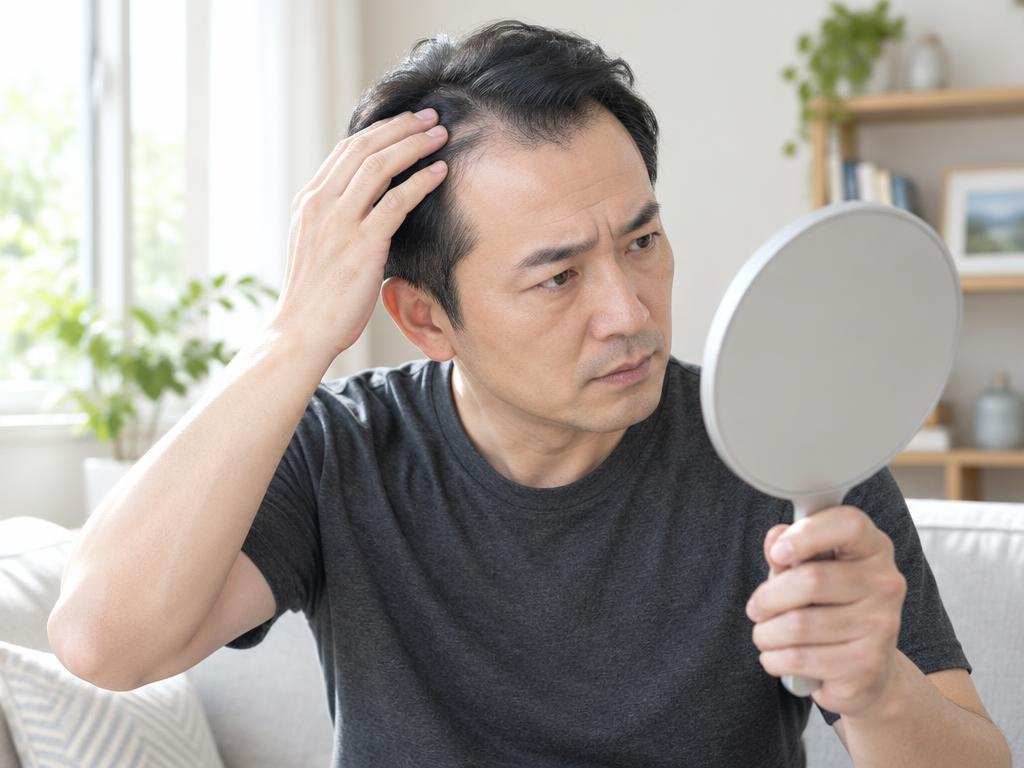
AI-generated educational illustration; not an AGAPE client, clinic photograph, or treatment result.
September is Alopecia Awareness Month, and every week we are answering some of the most common questions we get about hair loss, shedding light on its symptoms, causes, treatments, and more.
Question: Can Hair Loss Be Reversed?
Early research has established that a variety of hair loss symptoms seem to be associated with COVID-19, the most common include:
Answer: In many cases, the answer is yes!
Hair loss affects people of all ages, genders, and ethnicities, with multiple types and causes. But one key factor often determines whether hair loss can be reversed:
Early Intervention Is the Key
Just like many other health conditions, the earlier you address hair loss, the better your chances of reversing it. Hair follicles can become damaged over time due to various factors, leading to dormancy, shrinkage, inflammation, or scarring. If untreated, this damage can become permanent.
Take a moment to look at the hair follicle diagram again ( check out last week’s post for more details ) We talked about how disruptions within the body can weaken or damage follicles. Unlike skin cells, which regenerate, hair follicles don’t get replaced. We’re born with around 100,000 follicles on the scalp, which cycle through growth, shedding, and resting phases throughout our lives — but no new follicles are ever made !
That’s why early intervention is critical. When we address the root cause of hair loss early on, we can minimize permanent damage to the follicles, giving you the best chance to reverse hair loss.
If you’re noticing bald spots or thinning, DON’T WAIT—book a consultation with us today to explore your options!
This article is educational and does not diagnose your symptoms. Seek appropriate medical evaluation for sudden changes, pain, sores, or persistent scalp concerns.