
March 15, 2026 · By Alisa Gooding
Itchy Scalp: When Home Care Is Not Enough
Understand warning signs that call for medical care, what details to track, and why persistent scalp itch should not be self-diagnosed.
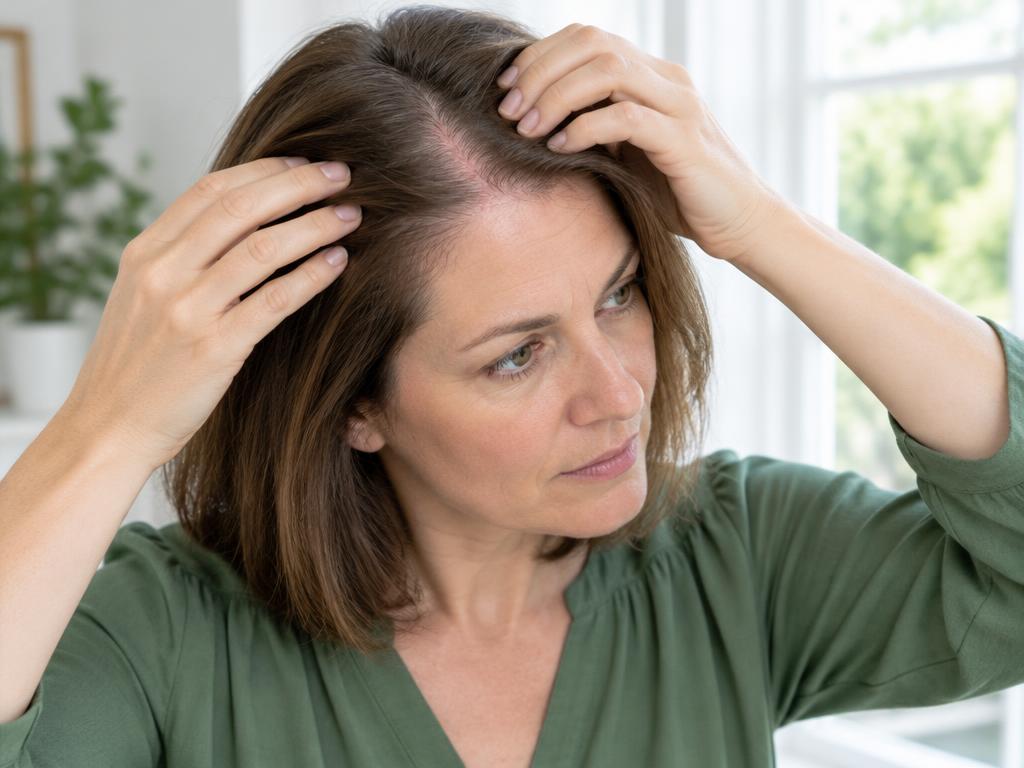
AI-generated educational illustration; not an AGAPE client, clinic photograph, or treatment result.
Itch has many possible explanations
An itchy scalp may accompany dryness, product irritation, dandruff, eczema, psoriasis, infection, or other conditions. The symptom alone does not identify the cause. Trying multiple oils, scrubs, or medicated shampoos at once can irritate skin further or obscure what changed.
Note when the itch began, where it occurs, whether there is scale or redness, and whether a new product, hairstyle, or chemical service preceded it. Also note pain, tenderness, sores, drainage, or hair loss. This record can help a clinician understand the pattern.
Seek prompt medical advice for warning signs
Arrange medical evaluation if itching persists, worsens, disrupts sleep, or returns repeatedly despite stopping a suspected irritant. Contact a healthcare professional promptly for significant pain, open sores, pus, swelling, rapidly spreading redness, patchy hair loss, or a painful rash. Fever or feeling unwell with a scalp infection concern also merits prompt care. Seek urgent help for severe allergic symptoms such as breathing difficulty or facial swelling.
A dermatologist can examine the scalp and determine whether testing or prescription treatment is needed. Avoid scratching with nails or scraping scale; skin injury can worsen discomfort and create a route for infection. Do not share combs or hats if a contagious scalp condition is possible.
What you can safely do while waiting
- Pause newly introduced products and avoid applying several new remedies
- Wash gently with a familiar product if cleansing is comfortable; rinse thoroughly
- Avoid tight styles, heat, and chemical processes on irritated skin
- Photograph visible changes and make a list of products and timing
- Ask a clinician or pharmacist before using medicated products, especially for children or pregnancy
If you suspect a product reaction, do not reapply it to “test” the reaction. Follow the product label and seek advice if symptoms are significant or do not improve. Keep prescribed medication unchanged unless the prescriber advises otherwise.
How AGAPE services fit
AGAPE’s trichology service includes scalp and hair assessment for irritation and other concerns; the Head Spa Suite is described as a scalp-care and relaxation setting. Neither description establishes a medical diagnosis or replaces dermatology care. Do not schedule a spa service as a substitute for assessment of severe, persistent, or worsening symptoms.
When you speak with a provider, ask whether your symptoms should first be evaluated by a dermatologist. Mention any hair loss and inflammation together; some scalp disorders can affect follicles, and timely medical assessment may be important. The practical rule is simple: persistent itch, pain, sores, or visible hair loss deserves more than guesswork. Avoid diagnosing yourself from online photos: similar-looking symptoms can have different causes and require different care. A clinician can help determine the safest next step.
This article is educational and does not diagnose your symptoms. Seek appropriate medical evaluation for sudden changes, pain, sores, or persistent scalp concerns.