August 15, 2026 · By Alisa Gooding
Protective Styles and Scalp Comfort: A Tension Check for Braids, Locs and Updos
A practical comfort-first check for spotting excessive tension and planning gentler styling conversations.
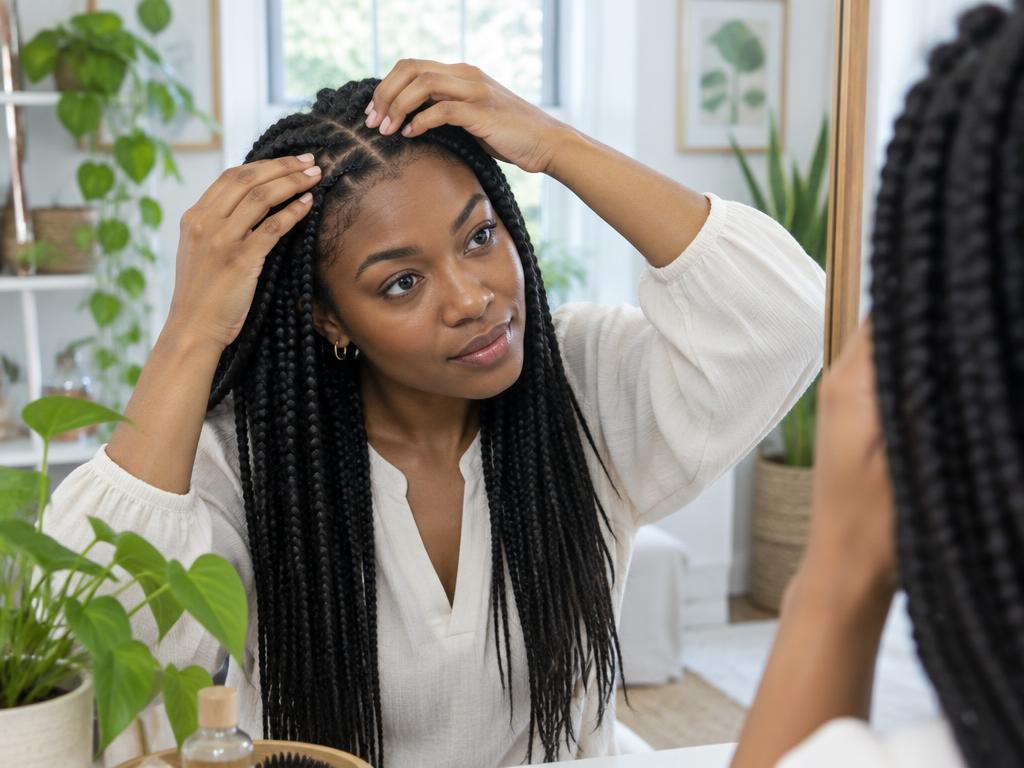
AI-generated educational illustration; not an AGAPE client, clinic photograph, or treatment result.
Protection should not mean persistent pulling
Braids, locs, extensions, buns, and updos can be part of personal and cultural expression. But repeated tension from styles that pull tightly can damage hair and contribute to traction alopecia, according to the American Academy of Dermatology. Comfort is a useful signal: a style that causes ongoing pain or a pulling sensation should not be treated as a necessary price of a neat finish.
Check how the style feels
During installation and afterward, notice tenderness, headache, stinging, or difficulty moving the hairline without discomfort. Look for bumps, redness, broken hairs, or thinning around the edges. These signs do not let you diagnose a condition, but they are reasons to reduce tension and seek professional advice if they persist or worsen. AAD guidance recommends avoiding styles that pull and taking action when styling causes pain.
Small adjustments worth discussing
Ask your stylist about looser tension, lighter extensions, fewer added strands, changing the direction of pull, or wearing the style for less time. Rotate styles rather than repeatedly stressing the same areas, and avoid tight ponytails or buns beneath scarves or head coverings. If extensions or loc maintenance repeatedly irritate the same area, talk about a lower-tension approach. The right modification depends on your hair and scalp; there is no single style that suits everyone.
Care between appointments
Handle hair gently when washing and detangling, and avoid forceful brushing or pulling. Pay attention to scalp comfort when sleeping or exercising and remove a style that is causing significant pain rather than waiting for the next scheduled visit. If you see persistent thinning, smooth areas, sores, or ongoing inflammation, contact a dermatologist. Early evaluation matters because long-standing traction can result in permanent loss.
A style conversation at AGAPE
AGAPE’s Loctician Services include starter locs, maintenance, styling, repair, and restoration; the consultation covers consultation around hair, scalp, goals, technique, and at-home care. Use that conversation to explain any tenderness or prior thinning, and ask how the proposed technique can accommodate comfort. The service is not a medical diagnosis; a clinician should evaluate ongoing scalp symptoms or hair loss.
A practical comfort checklist
Before leaving a style appointment, ask: Does the hairline feel comfortable? Can I move my scalp without pain? Do I know how to care for the style and when to loosen or remove it? What symptoms should prompt follow-up? A protective style should fit your comfort and maintenance needs, not conceal a persistent problem. When traction or inflammation is a concern, reduce stress on the affected area and seek qualified guidance rather than relying on a product or style change alone.
This article is educational and does not diagnose your symptoms. Seek appropriate medical evaluation for sudden changes, pain, sores, or persistent scalp concerns.