
February 15, 2026 · By Alisa Gooding
Traction Alopecia and Safer Styling: Keep Your Style, Reduce the Pull
Recognize warning signs of repeated tension and practical ways to make braids, buns, locs, and extensions more scalp-conscious.
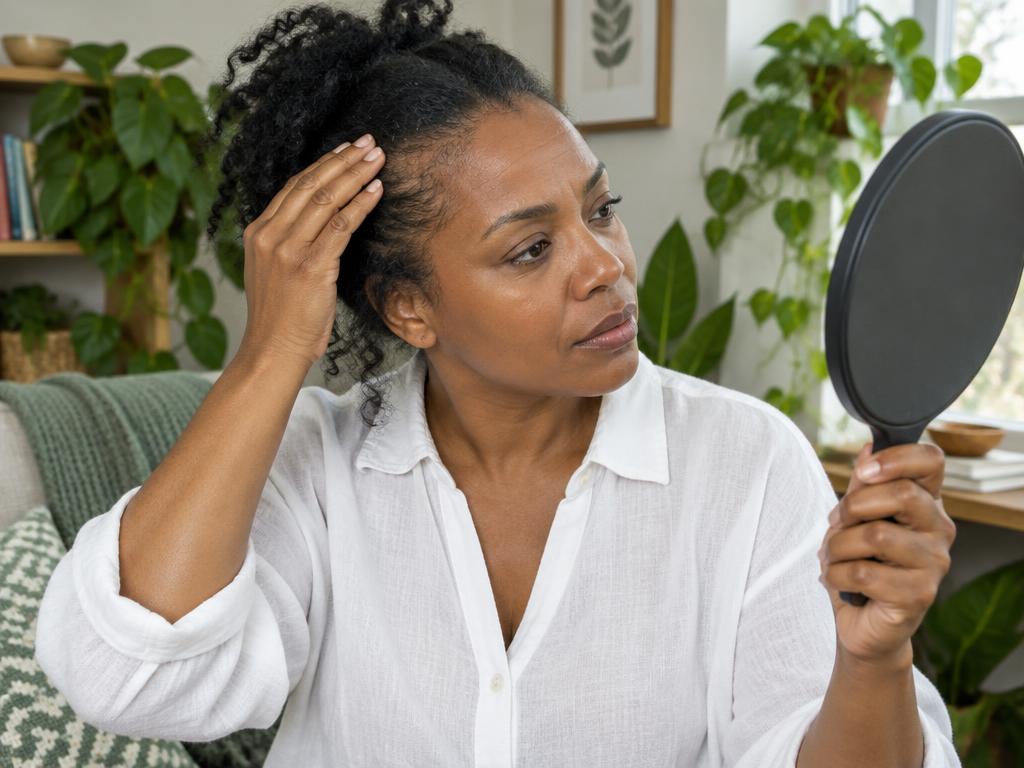
AI-generated educational illustration; not an AGAPE client, clinic photograph, or treatment result.
What traction means
Traction alopecia is hair loss associated with repeated pulling on hair roots. Tight braids, ponytails, buns, extensions, and other styles can create tension, particularly where hair is consistently pulled. Early signs may include breakage or thinning along areas under strain. Long-standing traction can damage follicles, so noticing discomfort early is useful.
Pain is not a sign that a style is working. Tenderness, bumps, headaches, a receding edge, or broken hairs around the hairline are reasons to loosen or remove the source of tension and consider medical advice. Do not wait for a style to become painful before adjusting it.
Small adjustments that matter
- Tell your stylist if a style feels tight before leaving the appointment
- Choose lower-tension placement and avoid repeatedly pulling the same hairline or part
- Give the scalp breaks between tension styles and avoid adding unnecessary weight
- Take care removing extensions and braids; do not yank or detangle aggressively
- If head coverings rub the same area, adjust fit and reduce friction where feasible
These steps may reduce repeated mechanical stress, but cannot guarantee prevention or regrowth. Hair texture, scalp condition, and styling history vary. Seek personalized advice if you see thinning or symptoms rather than relying on a generic style rule.
Locs and protective styles deserve comfort checks
Locs, braids, and other protective styles can be meaningful expressions of identity and personal care. The goal is not to label a particular style as universally harmful; tension, duration, weight, and repetition matter. A style should be assessed on how it feels and how the scalp and hair respond. Avoid blaming yourself—hair loss has multiple possible causes.
AGAPE offers starter locs, maintenance, styling, and restoration among its loctician services, with a consultation to review hair, scalp, goals, and technique. This is a styling service, not medical treatment. Tell the stylist about tenderness, weak areas, or thinning before choosing a technique. If the scalp is inflamed or hair loss is progressing, seek medical evaluation.
When to involve a dermatologist
If you notice persistent thinning, a changing hairline, smooth areas, scarring, or scalp redness and pain, consult a dermatologist. Clinical assessment can distinguish traction from other causes and identify whether follicles may be affected. Early evaluation matters because prolonged traction can lead to permanent loss. Do not attempt to treat inflammation with strong products or medicines without guidance.
Use a simple check after styling: does the scalp feel comfortable, can you move without pulling, and are there new bumps or broken hairs? If not, adjust the style promptly. Safer styling is an ongoing conversation among you, your stylist, and—when signs arise—a medical professional. A written maintenance plan can help you notice repeated tension or thinning early. Reassess the fit whenever your hair or routine changes.
This article is educational and does not diagnose your symptoms. Seek appropriate medical evaluation for sudden changes, pain, sores, or persistent scalp concerns.