
November 1, 2026 · By Alisa Gooding
SMP or Trichology First? Scalp Health, Cosmetic Density and the Benefits of Both
Understand how scalp micropigmentation and trichology differ, when scalp assessment should come first, and what to ask an SMP specialist in Seattle or a hair-care provider in Tempe.
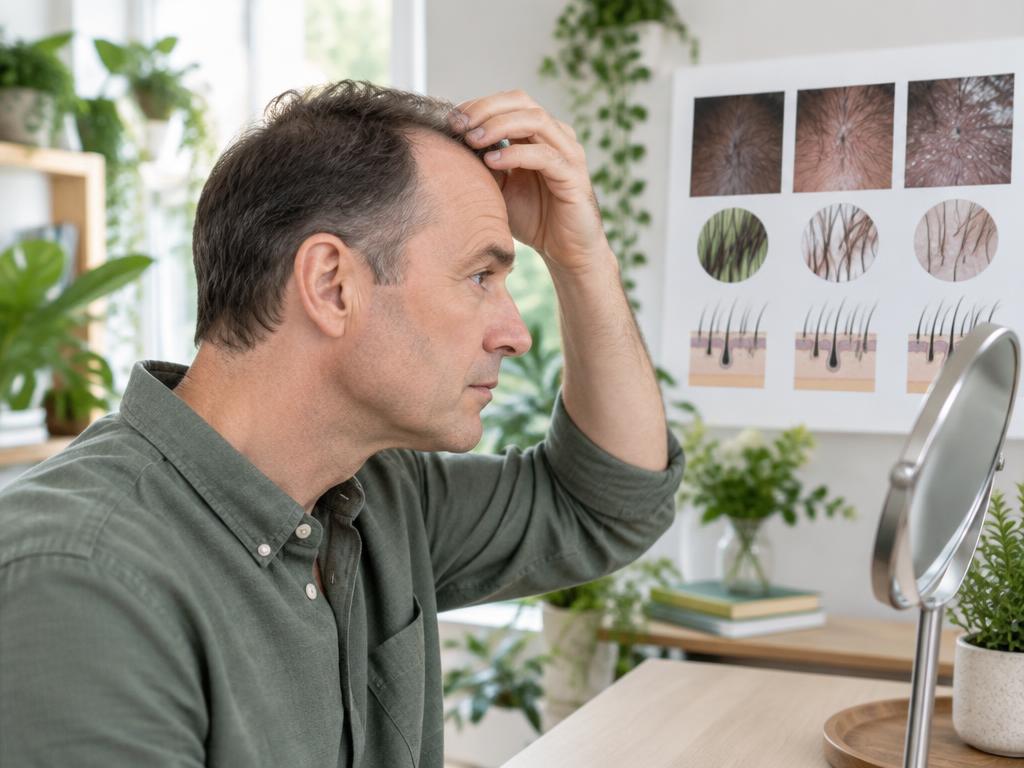
AI-generated educational illustration; not an AGAPE client, clinic photograph, or treatment result.
When your hair looks thinner, two different questions can come up: why is it changing, and how can you feel more comfortable with its appearance? Trichology and scalp micropigmentation (SMP) address different parts of that conversation. One focuses on understanding hair and scalp concerns; the other uses pigment to create a cosmetic appearance of density or closely shaved hair. They are not interchangeable, and neither promises the same outcome for everyone.
What trichology can contribute
Trichology focuses on hair and scalp health. An assessment can review your history, styling habits, shedding, breakage, scalp comfort, and visible changes. Magnified scalp imaging can help document a baseline and support follow-up conversations. Trichology certification alone is not a medical qualification, and imaging cannot identify every cause of hair loss. A dermatologist or another appropriate medical professional may need to investigate symptoms, order tests, or establish a diagnosis.
What SMP can contribute—and what it cannot
Scalp micropigmentation places small pigment deposits in the skin to mimic the look of closely cut hairs or reduce the visual contrast between the scalp and existing hair. For suitable clients, it may help camouflage thinning or some scars. SMP does not grow new hair, restore follicles, stop ongoing shedding, or treat the underlying cause of alopecia. Its benefit is cosmetic appearance, not biological regrowth.
The approach varies with the look you want to achieve—from a closely shaved effect to less visible scalp between existing hairs. When comparing options, look at healed examples and ask how pigment placement, hairline design, and aftercare are tailored to you, as outlined in these scalp micropigmentation treatment options in Seattle.
Which should come first?
If your shedding is unexplained, your hair loss is changing quickly, or your scalp is painful, inflamed, scaly, or developing sores, prioritize an appropriate medical assessment before cosmetic tattooing. A trichology consultation can help organize your concerns and discuss referrals, but it does not replace medical evaluation. If your scalp is healthy and the cause and course of your hair loss are already understood, an SMP consultation may be a reasonable next conversation. There is no universal order or waiting period that fits everyone.
- Unexplained shedding or sudden patches: seek evaluation of the cause before choosing camouflage.
- Pain, burning, redness, sores, or suspected scarring: discuss medical care and whether the condition is stable before considering SMP.
- An established hair-loss pattern and a healthy scalp: discuss realistic cosmetic goals and suitability with an SMP practitioner.
- Ongoing scalp treatments: ask both providers to coordinate procedure timing, healing, and aftercare rather than assuming treatments can overlap.
How both can fit into one thoughtful plan
A person may choose to address scalp-care needs while also exploring cosmetic camouflage. Assessment supports informed decisions about health and care; SMP can address the appearance of scalp visibility when appropriate. The providers should understand what each other is doing, especially if the plan includes microneedling, topical medicines, or another scalp procedure. Do not stop prescribed treatment on your own or assume SMP makes further assessment unnecessary.
Questions to ask before booking SMP
- Can I see healed examples on people with a similar skin tone, hair-loss pattern, and desired look?
- How will you plan pigment color, placement, hairline shape, and any future thinning?
- What training, local authorization, hygiene practices, and single-use equipment do you use?
- What are the possible infection, allergy, pigment-change, and aesthetic risks for me?
- How many visits might I need, what is the complete cost, and what does follow-up or a correction involve?
- How should I coordinate my current scalp treatment and medicines with healing and aftercare?
Before-and-after photos: compare carefully
A useful comparison identifies what was done and when each image was taken. For SMP, ask whether the after image is freshly treated or fully healed. For scalp-care progress, ask about the follow-up interval and other treatments used. Lighting, viewing angle, hair length, styling, and scalp products can change the impression of density. A cosmetic pigment result should never be presented as hair regrowth, and one person’s photographs cannot predict your outcome.
Look for consistent lighting, angle, and hair preparation, with clearly labeled before and after dates. Real client photographs should be shared only with publication consent, without misleading retouching. No client before-and-after result is presented in this article; the cover is an educational illustration.
Start with the question you need answered
If your priority is understanding shedding or scalp discomfort, explore AGAPE’s trichology and scalp-imaging services in Tempe and bring your questions to a Free 15-Min Virtual Consultation. If your priority is cosmetic camouflage and your scalp is suitable, explore a specialist SMP consultation. A careful plan respects both scalp health and appearance, without treating either service as a cure-all.
This article is educational and does not diagnose your symptoms. Seek appropriate medical evaluation for sudden changes, pain, sores, or persistent scalp concerns.